Particl Awards: Top Promotions of January 2026
Vuori: Sunday Collection Promotion
Quick Promotion Snapshot
- Promotion Date: January 10, 2026
- Category: Apparel, Athleisure
- Theme: Elevated comfort for everyday wear
- Hero Products: Halo Easy Wideleg Pant, Seaside Pullover Hoodie
- Channels: Instagram, Website
Sales Performance
The Sunday Collection promotion didn’t create a single-day spike so much as it reestablished momentum.
After several days of declining volume, January 10 marked a clear reversal. Sales stepped back up to early-January post-holiday levels and, more importantly, held in the days that followed. That persistence matters. This wasn’t a discount-driven blip that collapsed once the email or post faded. It was a reset.
The lift was concentrated in familiar places. Bottoms continued to anchor the business, accounting for just over half of weekly revenue. The Halo Easy Wideleg Pant led the day at $25.7k, followed closely by the Seaside Pullover Hoodie at $23.7k. These were not experimental styles catching a temporary wave. They were proven silhouettes benefiting from renewed visibility.
Inventory behavior supports that read. Restocks remained controlled at roughly 24k units on the promotion day, signaling confidence in demand without overcommitting supply. Vuori didn’t chase volume. It met it.
The key point is that this promotion didn’t manufacture demand. It surfaced demand that was already there and gave it room to move.
Creative Strategy
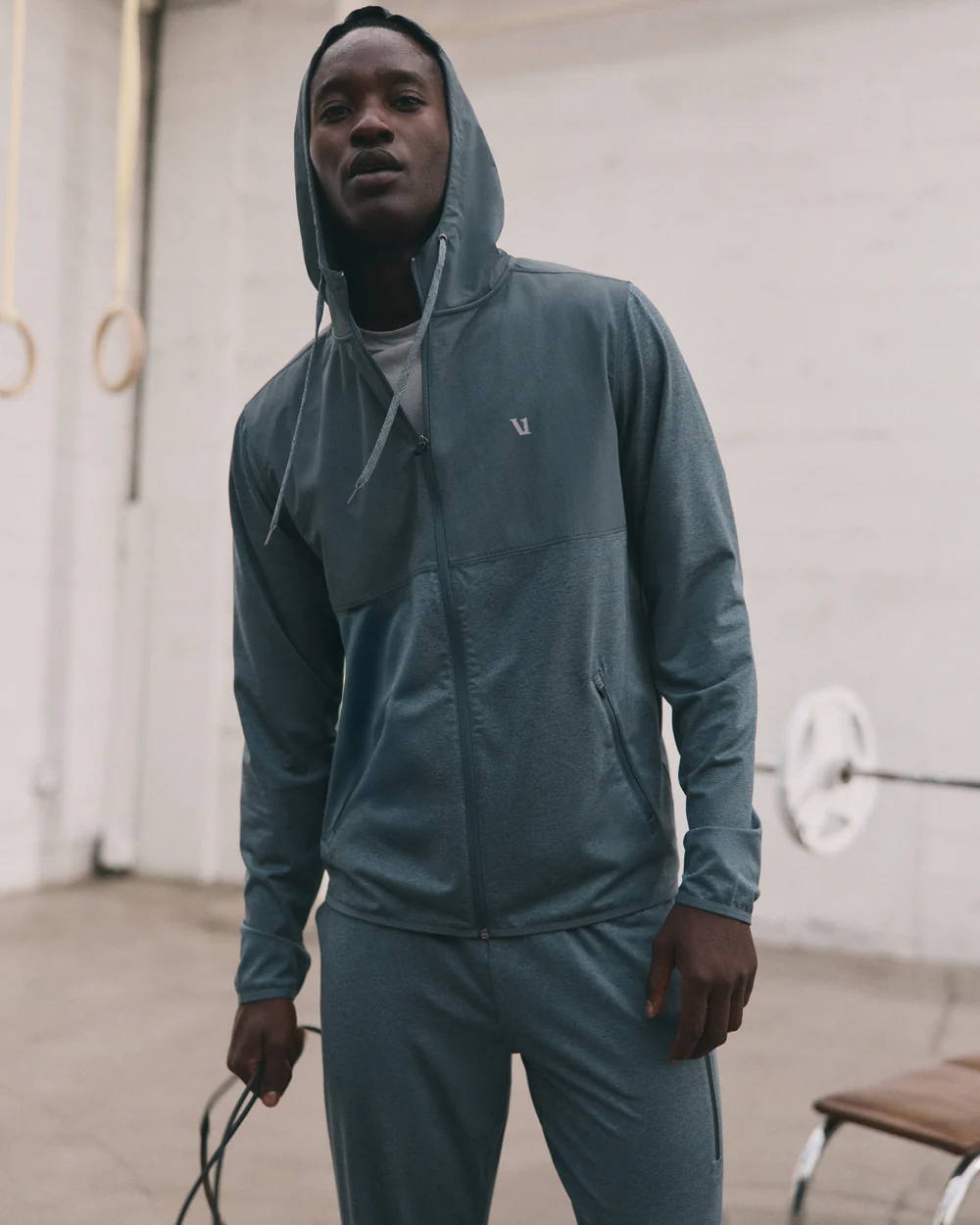
The creative worked because it softened performance, rather than leaning into it.
While the setting is a gym, it’s intentionally stripped back. A single person, minimal equipment, no crowd, no intensity. The space reads more like a quiet extension of daily life than a place for competition or training. That choice matters. It reframes the product from “workout gear” to something you can exist in comfortably.
Movement is present, but it’s unhurried. The focus stays on how the clothes drape, stretch, and move with the body rather than on exertion or results. Even in a workout environment, the message is ease.
There’s also notable restraint in how the promotion is framed. No loud discounting. No urgency language. The collection is presented as something you naturally reach for, not something you need to act on immediately.
That tone mirrors how customers actually use the Sunday Collection, which is why the creative feels believable.
Why It Worked
- The products didn’t change, only the spotlight did. Vuori promoted what was already converting.
- Performance was dialed down, not eliminated, making the collection feel wearable beyond the gym.
- Hero SKUs carried the lift, keeping performance grounded in real demand.
- The promotion reinforced confidence rather than urgency, allowing momentum to hold past the event day.
The broader takeaway is straightforward. When a brand understands how its customer actually wears the product, even a gym-based visual can sell comfort first.
Charlotte Tilbury: 15% Off First Order & Skincare Promotion
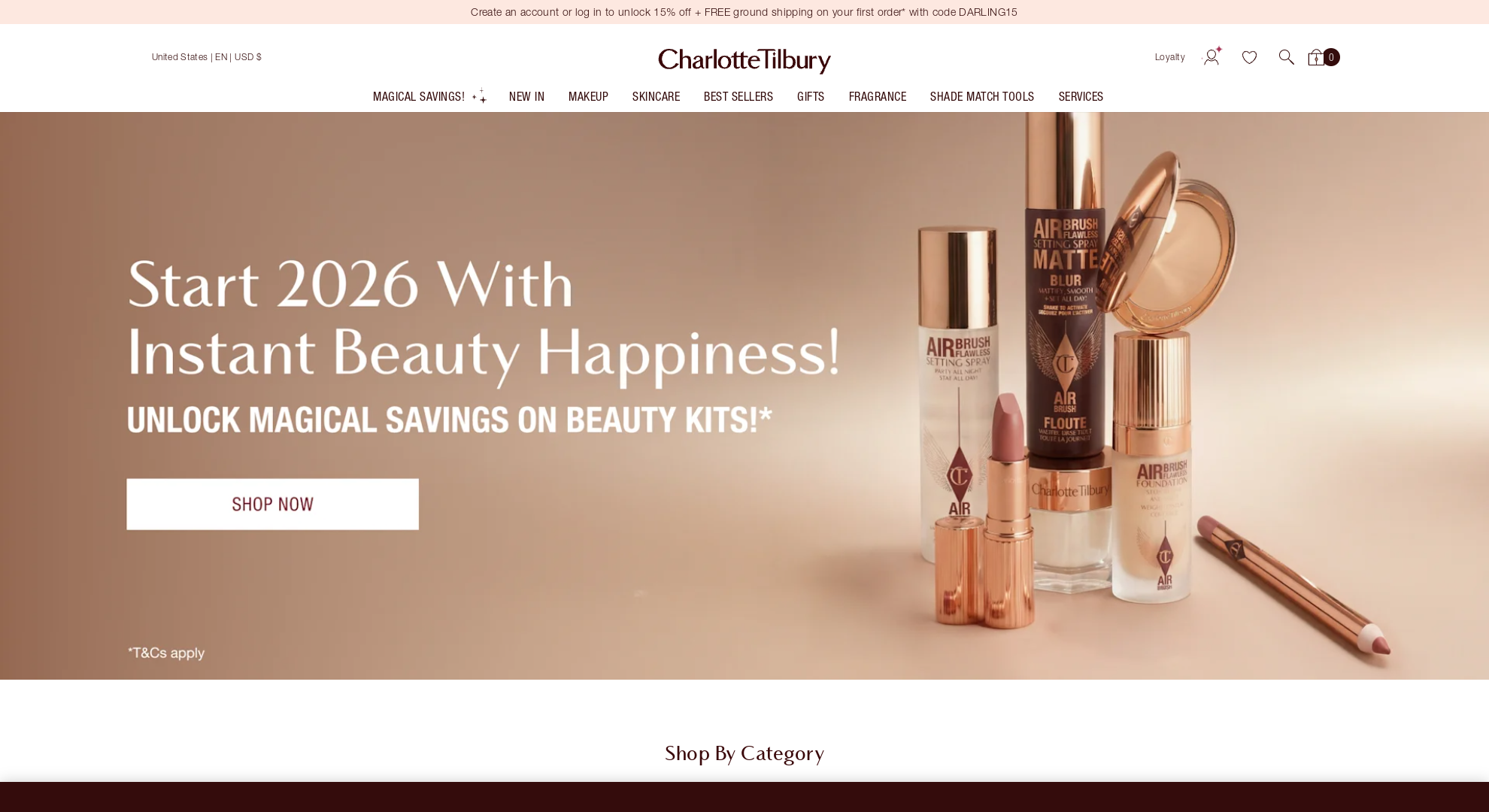
Charlotte Tilbury used a first-order discount as an acquisition lever, but the real work of the promotion happened after the click. Instead of pushing a single hero SKU, the campaign framed skincare as a routine, using education and discovery to pull new customers deeper into the catalog.
Quick Promotion Snapshot
- Promotion Dates: January 10–13, 2026
- Category: Beauty, Skincare
- Theme: Routine-driven glow and hydration
- Hero Products: Airbrush Flawless Foundation, Mini Viral Beauty Icons
- Channels: Email, Homepage, Instagram
Sales Performance
The response was immediate and outsized. On January 11, revenue spiked to $146k, nearly 4x the prior daily average of $37.5k from the week before the promotion. That kind of lift is rare for a first-order discount alone, which suggests the framing did more than just reduce friction.
Cosmetics continued to lead volume, accounting for 83% of weekly revenue, but skincare played a critical supporting role. While skincare represented a smaller share of total revenue, it consistently attached to cosmetic purchases, reinforcing the routine narrative rather than competing with it.
At the product level, Airbrush Flawless Foundation remained the anchor, but Mini Viral Beauty Icons stood out as a quiet driver of sustained demand. Even after the promotion window closed, the minis continued to convert, signaling that trial-sized discovery did exactly what it was meant to do.
Charlotte Tilbury Top Product Types by Sales Volume
Top product types by total units sold during promotion period.
Creative Strategy
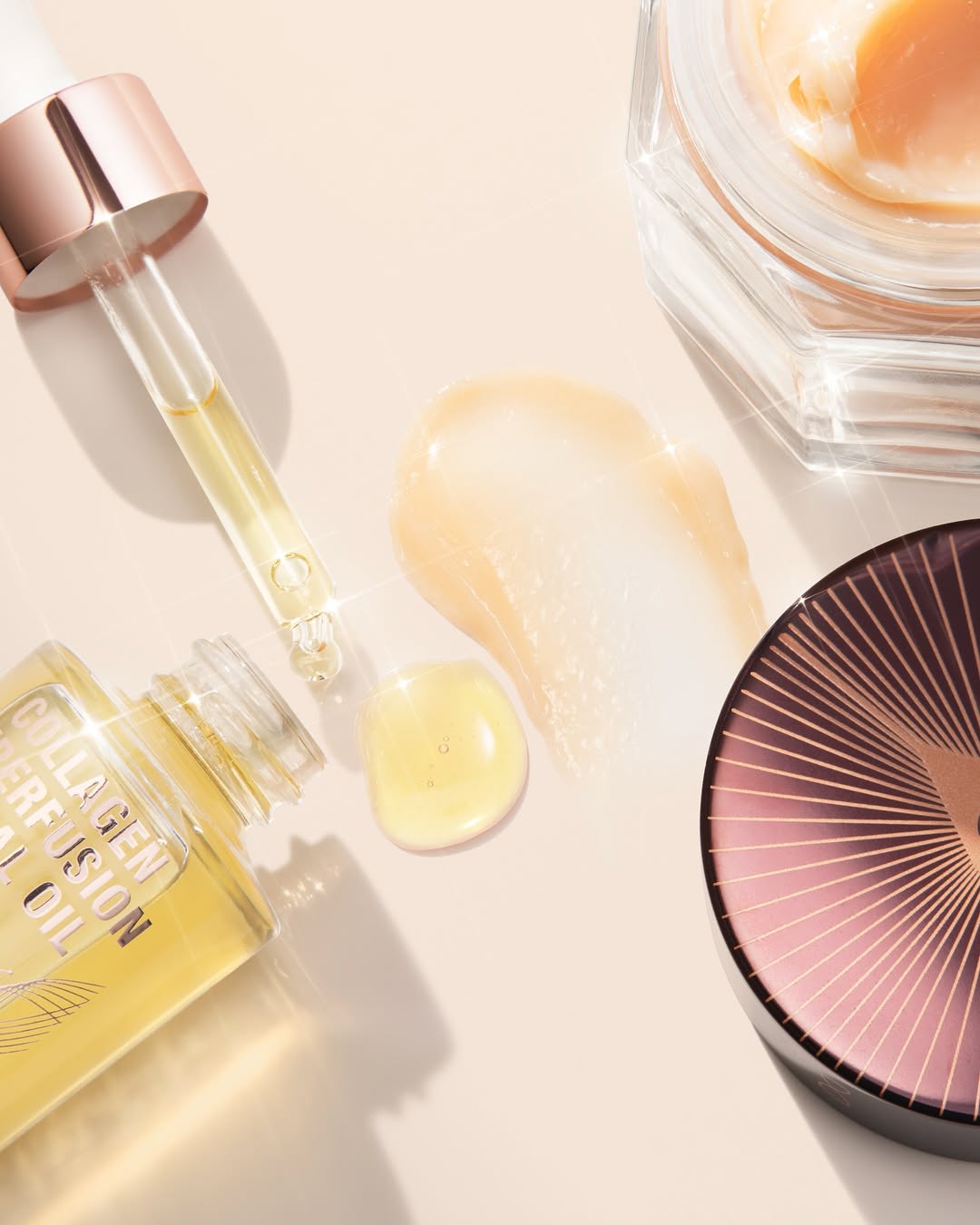
The creative focused on process, not transformation.
Homepage and social assets broke products into simple, step-by-step routines, showing how skincare and cosmetics fit together rather than standing alone. Instagram product shots were stripped down and tactile, products on a counter, clearly visible, easy to imagine owning. Nothing felt aspirational in an abstract way. It felt usable.
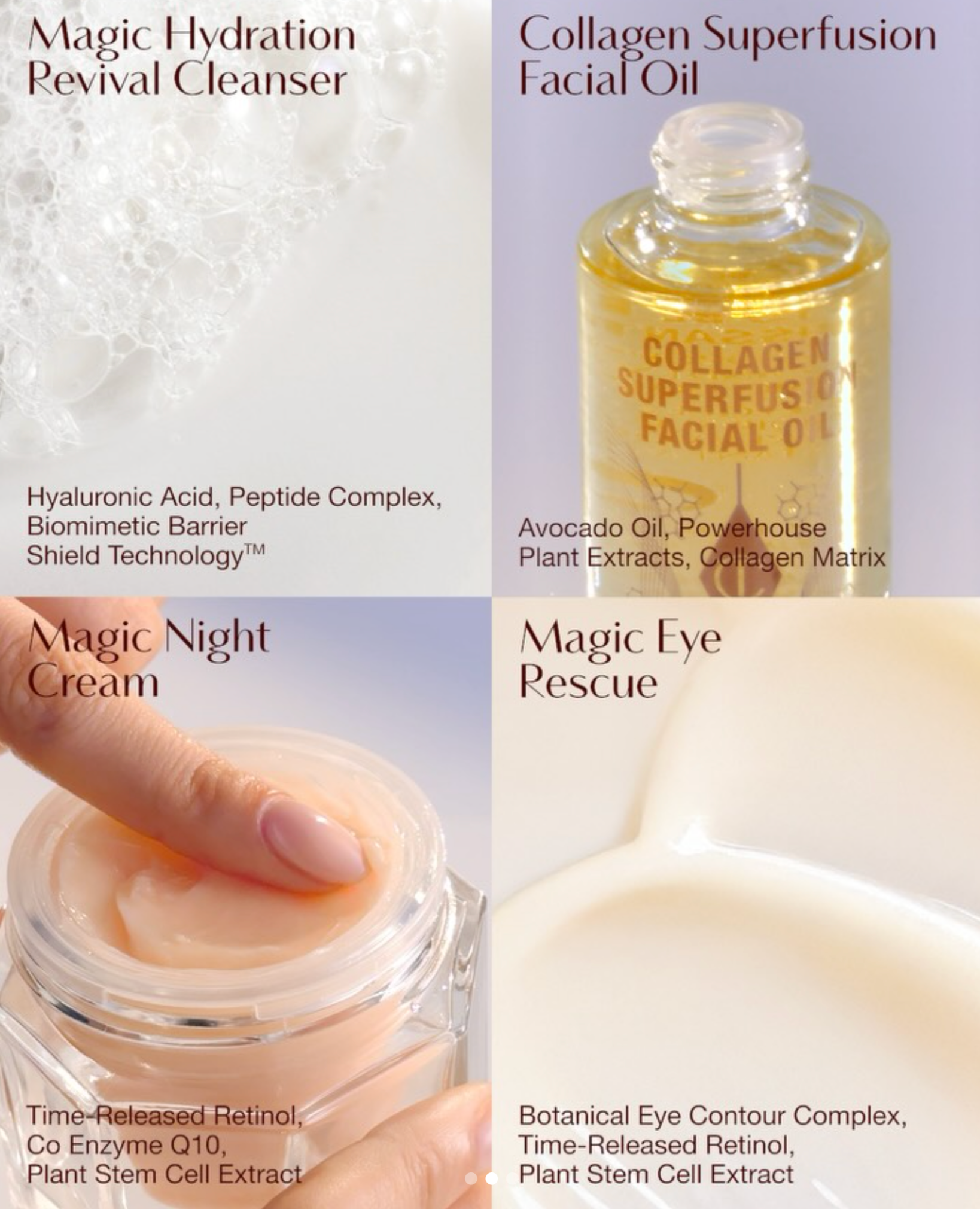
Mini sizes played an important role here. By emphasizing discovery sets and smaller formats, the creative lowered the commitment barrier for first-time buyers while still encouraging multi-item carts.
The same message carried cleanly across channels. Email introduced the offer, the homepage reinforced routine logic, and Instagram provided visual confirmation. No channel tried to tell a different story.
Why It Worked
- The discount opened the door, but education kept customers inside.
- Routine framing encouraged attachment instead of one-and-done purchases.
- Minis reduced risk and increased willingness to explore the brand.
- Creative stayed consistent across email, site, and social.
- Cosmetics drove volume, skincare increased depth.
The takeaway is straightforward. The promotion wasn’t just about getting customers to buy Charlotte Tilbury for the first time. It was about teaching them how to buy once they arrived.
Kendra Scott: 2 for $80 Styles Promotion
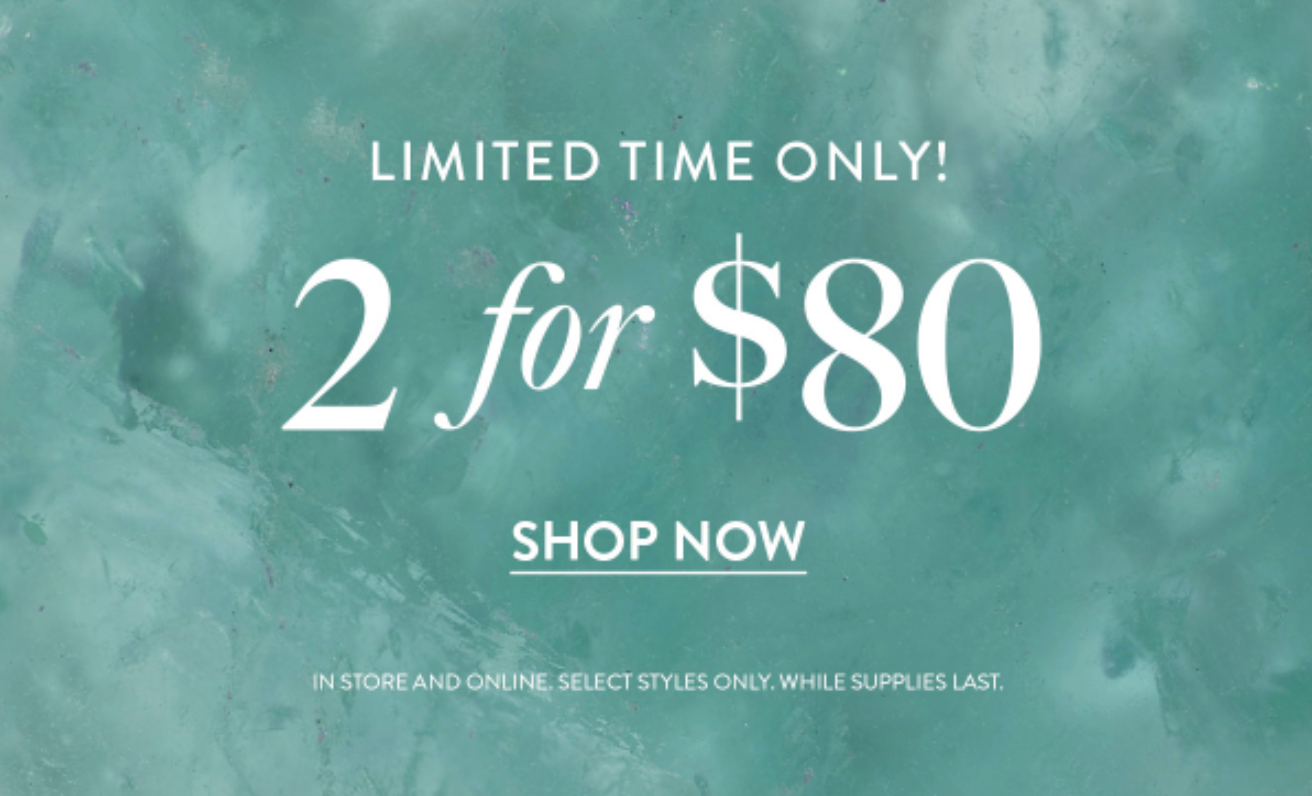
Kendra Scott’s January 17 promotion is a good example of how impact can lag the marketing moment, especially in categories where customers tend to browse, compare, and come back.
At a glance, the 2 for $80 offer looked underwhelming on the day it launched. In reality, it acted more like a trigger than a transaction driver.
Quick Promotion Snapshot
- Promotion Date: January 17, 2026
- Category: Jewelry
- Theme: Value-driven pairing and wardrobe refresh
- Offer: 2 styles for $80
- Channels: Email
Sales Performance
Kendra Scott: January 2026 Sales Volume
Total daily units sold, January 2026 (no filters applied)
On January 17, total sales landed at $467k, roughly in line with the surrounding days and well below early-January highs. There was no immediate spike tied to the email send, which might suggest the promotion failed if you only looked at same-day performance.
The following day tells a different story.
On January 18, sales jumped to $1.18m, more than 2.5x day-over-day, and one of the strongest days of the month outside of later clearance-driven peaks. That lift also came with volume, units sold doubled from 5.3k to nearly 11k.
This pattern matters. The promotion didn’t convert customers instantly. It encouraged browsing and consideration, then captured demand once customers had time to make decisions.
Product mix shifted as well. While Outerwear had led revenue in prior weeks, the post-promo lift showed increased activity across Vests, Skirts, and Crop Tops. The Wrangler x Yellow Rose by Kendra Scott Tailored Denim Vest led post-promotion sales at $196, suggesting the offer unlocked interest beyond core jewelry pieces.
Inventory remained stable with only minor restocks, reinforcing that the spike was demand-led rather than driven by supply changes.
Creative Strategy
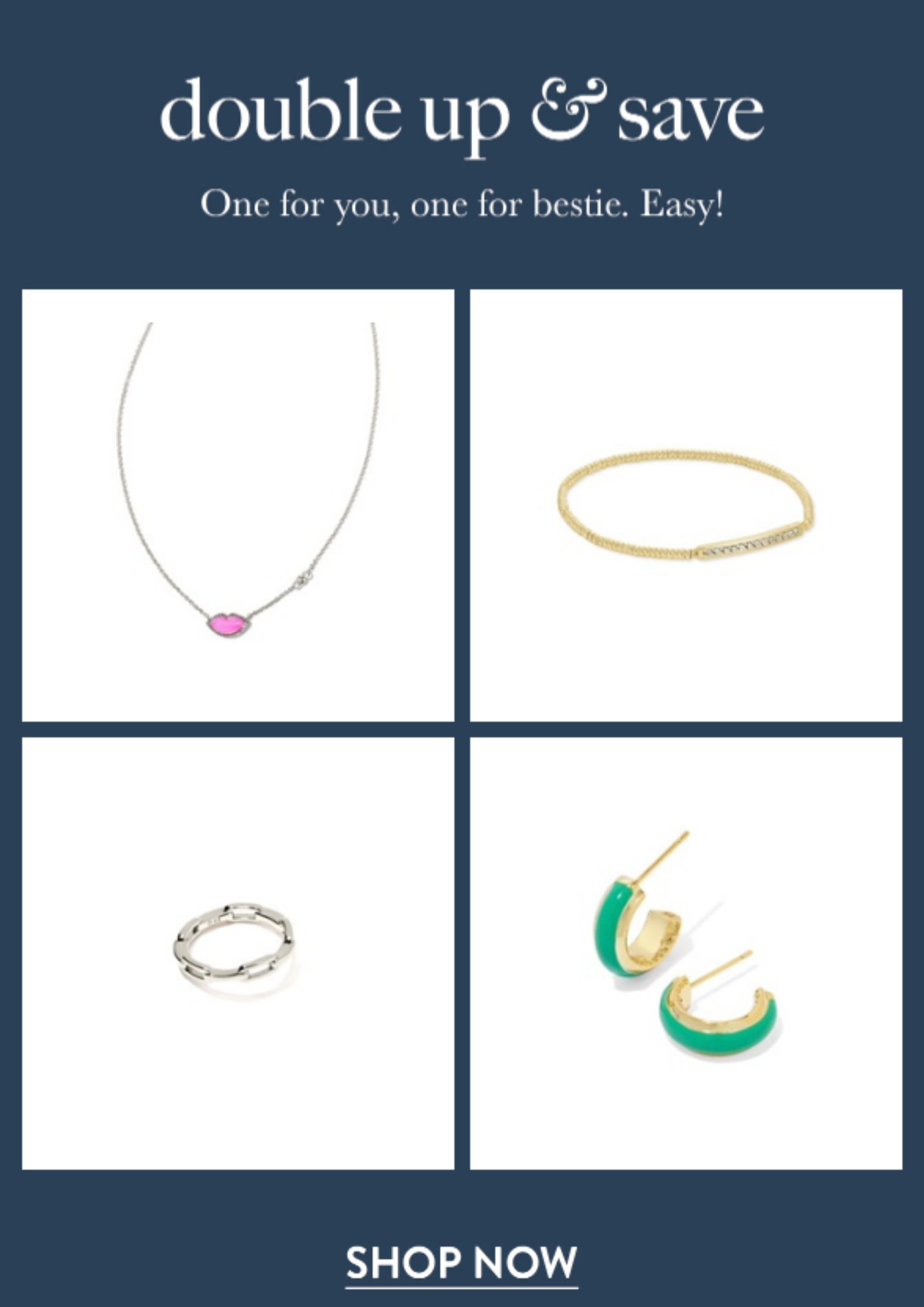
The creative stayed intentionally simple on the surface. The value proposition was clear and easy to understand. What did the heavy lifting was what happened after the click.
Product imagery emphasized variation and choice. Showing the full range of stone options for the Cailin Delicate Strand Necklace made the customization tangible and inviting. Instead of a single hero shot, customers saw possibilities.
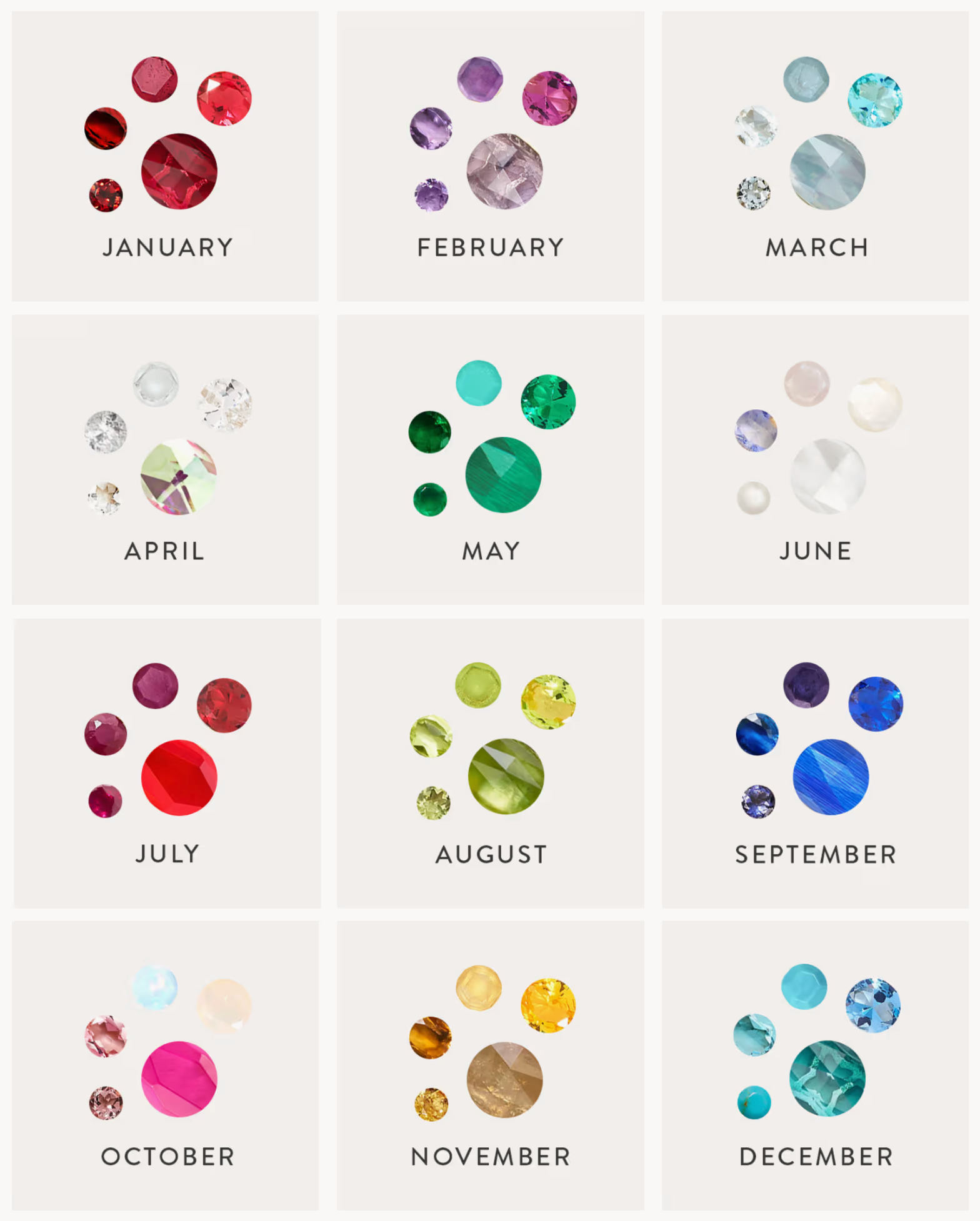
That matters for jewelry. Personalization reframes the purchase from accessory to meaning. Once customers start choosing stones by month, the product stops being interchangeable, and price sensitivity drops.
The email didn’t rely on urgency language or countdowns. That restraint gave customers permission to spend time configuring their purchase, which aligns closely with the delayed conversion pattern in the data.
Why It Worked
- The offer encouraged browsing and pairing, not rushed checkout.
- Customization increased consideration but also increased commitment.
- Delayed conversion reflects thoughtful purchasing, not weak demand.
- The promotion unlocked spend beyond core jewelry SKUs.
- Clear pricing plus personal choice reduced friction without forcing urgency.
The takeaway is subtle but powerful. In jewelry, value gets attention, but personalization earns the purchase. The 2 for $80 offer opened the door. Custom stones gave customers a reason to walk back through it.