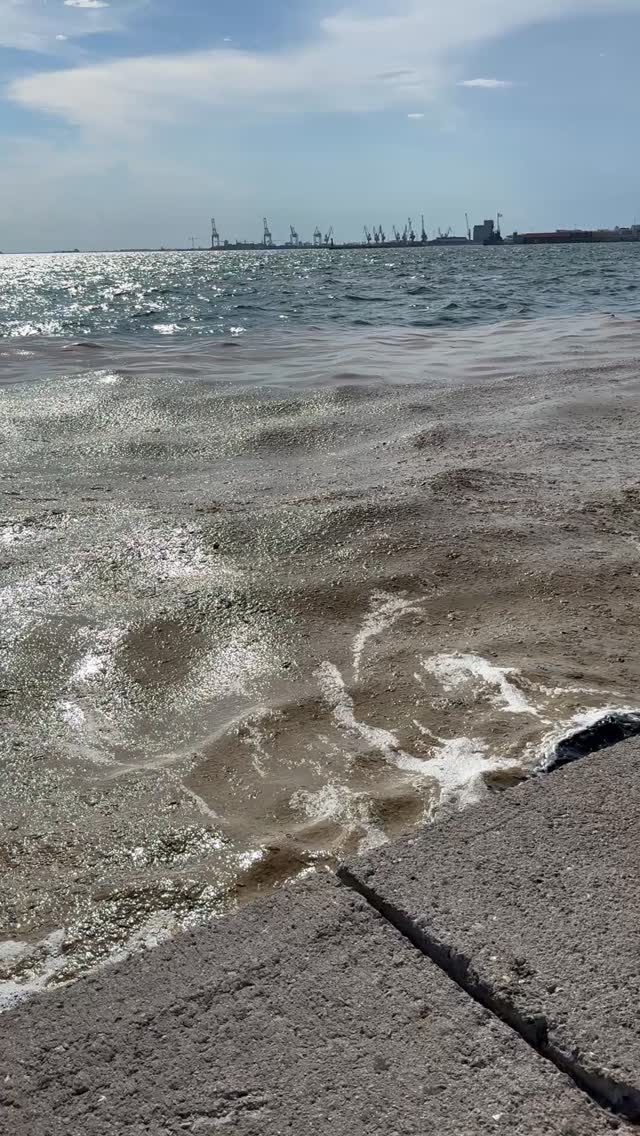
Red tide isn't actually red. 🌊 Most of the time it's a brownish-green murk in the water — sometimes you smell it before you see it. Dead fish on the shoreline. Closed shellfish beds. Beach advisories that keep people out of the water for weeks. It's caused by a rapid bloom of algae called Karenia brevis — a naturally occurring organism that, under the right conditions, explodes in population. Warm water temperatures, high nutrient runoff from land, calm currents. When those factors line up, the bloom takes over and releases brevetoxins that paralyze fish, suffocate manatees, and make shellfish unsafe to eat. Florida's Gulf Coast sees it most severely. Some years it's barely a blip. Others — like 2018 — it stretches for hundreds of miles and lasts months. Here's the part that gets overlooked: nutrient runoff from agriculture and stormwater is one of the factors that makes blooms worse and longer. Nitrogen and phosphorus flowing off land feeds the algae. Cleaner waterways don't prevent blooms entirely, but they make the conditions for a catastrophic one less likely. What's the closest coast or waterway to you? Tell us below. #redtide #harmfulalgalbloom #kareniabrevis #gulfcoast #waterquality
Channel/Medium:
Instagram
onJun 12, 2026United By Blue
unitedbyblue.com
Details
Red tide isn't actually red. 🌊
Jun 12, 2026, 8:01 AM
Search thousands of other brands for emails, ads, social media posts, and more.
The Particl web app allows you to see how an email or ad campaign affected sales over time.
Explore emails, ads, and more
Agencies and marketers can cut through the noise and find the best ads, campaigns, and social media content about United By Blue all in one place. Take it a step further in the Particl app to see how those campaigns are performing.