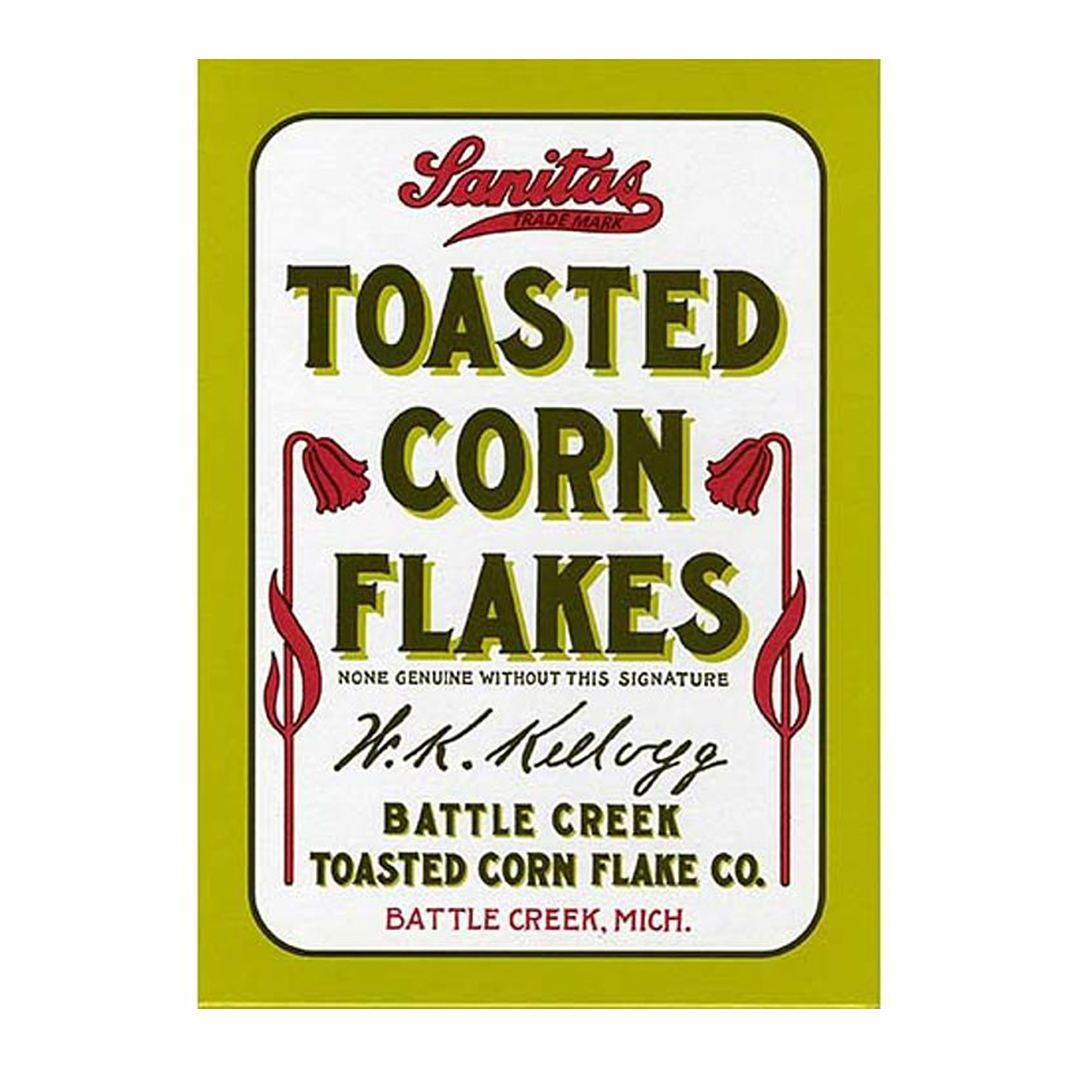
#DesignOfTheWeek | How did the humble cereal box become a design icon? 🥣 In the 19th century, cereal was sold in plain, unbranded bags - practical, but far from exciting. That changed in 1906, when the Kellogg brothers introduced the first official cereal box, transforming breakfast into a branding battleground. With advances in printing technology, bold colours, playful typefaces and eye-catching illustrations, cereal boxes became miniature works of art. Their distinctive fonts and logos set the standard for brand recognition in the food industry, influencing packaging design across countless products. By the 1950s, they weren’t just packaging - they were interactive experiences, with Kellogg’s even releasing glow-in-the-dark boxes at one point. The introduction of Snap, Crackle, and Pop (1933) and Tony the Tiger (1952) cemented the boxes as pop culture staples, while hidden prizes and toys made them irresistible to children. What’s the most memorable cereal box from your childhood?
Channel/Medium:
Instagram
onFeb 10, 2025Design Museum Shop - GB
designmuseumshop.com
Details
#DesignOfTheWeek | How did the humble cereal box become a design icon
Feb 10, 2025, 8:55 AM
Search thousands of other brands for emails, ads, social media posts, and more.
The Particl web app allows you to see how an email or ad campaign affected sales over time.
Explore emails, ads, and more
Agencies and marketers can cut through the noise and find the best ads, campaigns, and social media content about Design Museum Shop - GB all in one place. Take it a step further in the Particl app to see how those campaigns are performing.